
MCB Types Guide (India) — SP, DP, TP, TPN, RCCB, RCBO, MCCB & Isolator Explained
📌 Introduction
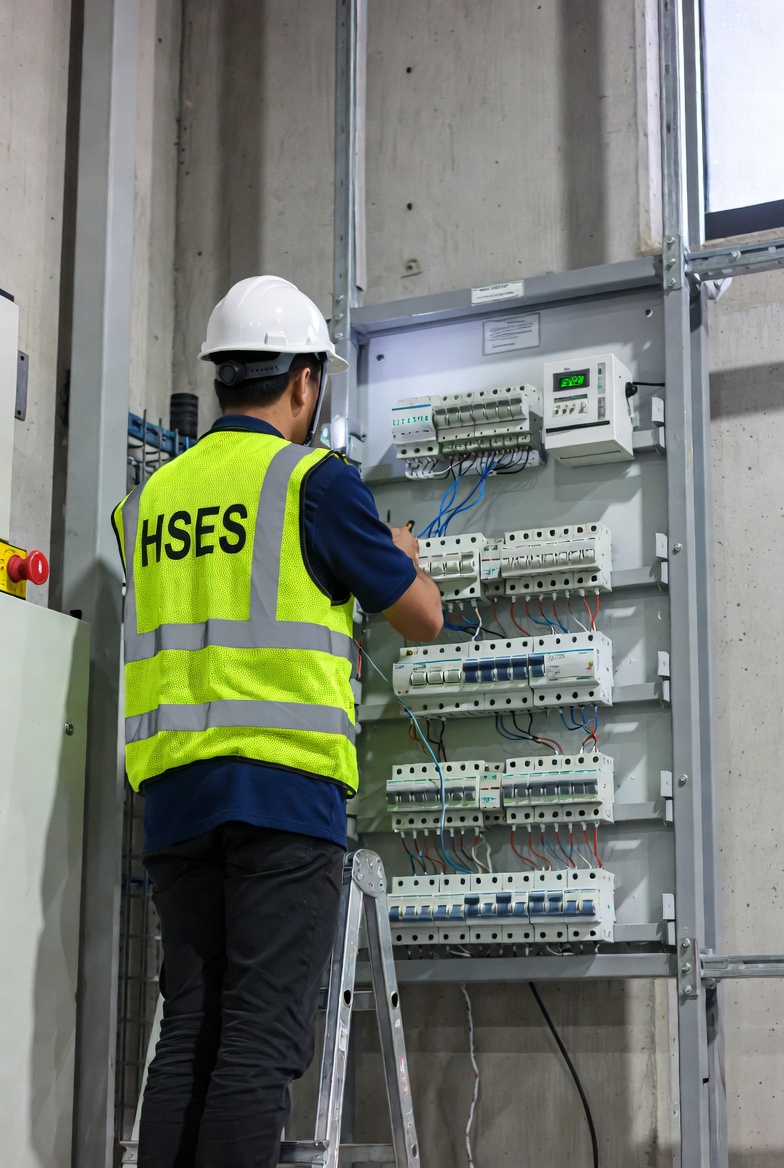
MCB (Miniature Circuit Breaker) is one of the most important safety devices in any electrical installation. It automatically cuts off power when it detects overload or short circuit, protecting your wiring, appliances, and home from electrical fires. But not all MCBs are the same — different types are used for different purposes. This guide explains each type in simple language.
⚡ Technical Explanation
Standard MCBs and protection devices are classified by poles and function.
| Device | Full Form | Common Use |
|---|---|---|
| SP | Single Pole | Individual circuits — lights, fans, single sockets |
| DP | Double Pole | Circuits needing both live + neutral switching — geysers, ACs |
| TP | Triple Pole | 3-phase circuits without neutral switching |
| TPN | Triple Pole + Neutral | 3-phase circuits with neutral — main distribution boards |
| RCCB | Residual Current Circuit Breaker | Shock protection — detects earth leakage/current imbalance |
| RCBO | RCBO | Combines RCCB + MCB — leakage AND overload protection |
| MCCB | Moulded Case Circuit Breaker | Higher current rating — used in industrial/commercial main panels |
| Isolator | Isolator | Manual on/off switch, no automatic tripping — used for isolation during maintenance |
🛠️ Real-life Application
- Home distribution board: Main incomer usually TPN or DP (depending on single/3-phase supply), with individual SP MCBs for each room/circuit.
- Bathroom/kitchen circuits: RCCB or RCBO strongly recommended due to water exposure risk.
- Geyser/AC circuits: DP MCB commonly used for isolation of both live and neutral.
- Industrial panels: MCCB used for higher load-bearing circuits (motors, heavy machinery).
- Maintenance work: Isolator used to manually cut power safely before repair work, even if MCB is already off.
❌ Common Mistakes
- • Using only SP MCB in wet areas (bathroom/kitchen) without RCCB protection.
- • Undersizing MCB rating for the actual load, causing frequent nuisance tripping.
- • Oversizing MCB rating, which defeats the purpose of protection (wiring can overheat before MCB trips).
- • Not installing a main isolator, making it unsafe to fully de-energize the board during repairs.
✅ Best Practices
- • Always match MCB rating to wire size and connected load — don't guess.
- • Use RCCB/RCBO in all wet or high-risk areas.
- • Label each MCB in the distribution board clearly (e.g., "Kitchen," "Bedroom 1 AC").
- • Get your DB inspected periodically, especially in older homes.
⚠️ Safety Precautions
- Never bypass a tripping MCB by using a higher rating without understanding why it's tripping.
- If an MCB trips repeatedly, get it checked by a certified electrician — it usually indicates a fault, not a faulty MCB.
- Always switch off the main breaker before working inside the distribution board.
- Use only ISI-marked MCBs from reputed brands.
📖 Indian Standards
- IS 8828 for MCBs.
- IS 12640 for RCCBs.
- Always check for the ISI mark and BIS certification before purchase.
❓ FAQ
Q: SP aur DP MCB mein kya farak hai?
A: SP sirf live wire ko cut karta hai, DP live aur neutral dono ko cut karta hai — extra safety ke liye DP zyada acha hai high-risk appliances ke liye.
Q: RCCB aur MCB alag kyu hain?
A: MCB overload/short-circuit se protect karta hai, RCCB current leakage (jo shock ka reason banta hai) se protect karta hai. Dono alag kaam karte hain.
Q: Bathroom mein RCCB kyu zaruri hai?
A: Paani ki wajah se shock ka risk zyada hota hai — RCCB current leakage turant detect karke power cut kar deta hai.
Q: MCB baar baar trip kyu hoti hai?
A: Ye overload, short circuit, ya loose connection ki wajah se ho sakta hai — ise ignore na karein, electrician se check karwayein.
Professional Disclaimer
This content is for general educational purposes. For actual electrical work, always consult a certified electrician. HSES Connect® is not liable for damage caused by DIY electrical work performed without professional supervision.
Did you find this guide helpful?
Share it with someone who needs to know about electrical safety or hire an HSES expert for your next project.